Water has a way of hiding. It seeps into places you rarely check, collects in spots you assume are dry, and by the time you see it, the damage is already done. I have spent years working with property owners who only realize they have a moisture problem after the mold shows up or the drywall starts to crumble. By then, the fix is more expensive and more invasive than it ever needed to be. Learning how to find hidden moisture early is one of the most practical skills a homeowner or property manager can develop.
Moisture issues do not always announce themselves. A small leak behind a wall cabinet, a slow drip from a pipe under the sink, or poor attic ventilation can create conditions for mold growth without any visible water. The air might feel fine, the surfaces might look clean, but the numbers tell a different story. That is where tools like a moisture meter and a hygrometer become essential. They give you data instead of guesses.
Why Hidden Moisture Matters
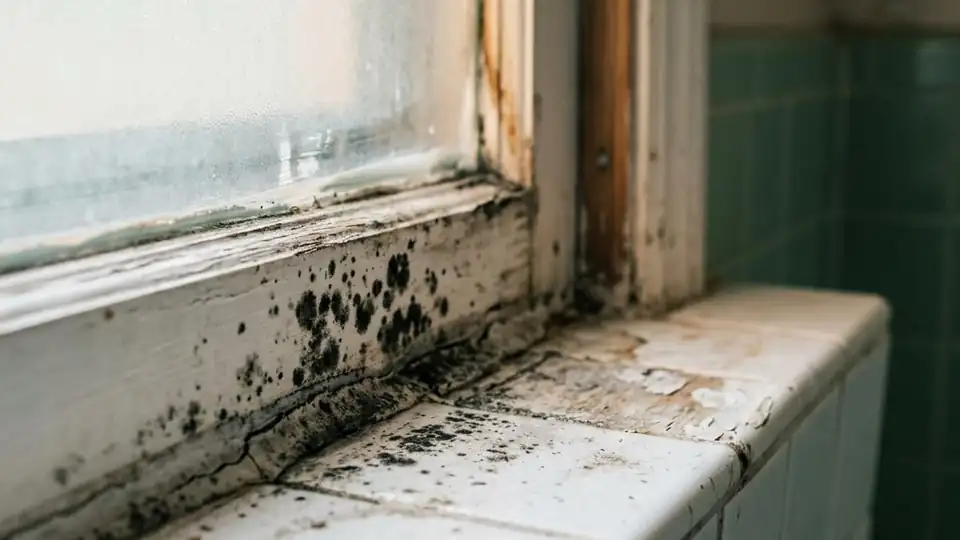
Mold does not need a flood to thrive. It needs moisture, warmth, and a food source. Drywall, wood, and even dust provide the food. The moisture part is what you can control. If you can find hidden moisture before it accumulates, you stop the mold cycle before it starts. Mold spores are everywhere. They float in the air and settle on surfaces. They only become a problem when they land somewhere damp. That damp spot might be inside a wall cavity, under a floorboard, or in a crawl space you rarely enter.
Indoor air quality suffers when moisture is out of balance. High humidity makes the air feel heavy and can trigger respiratory issues. It also encourages dust mites and bacterial growth. A home that feels stuffy or smells musty often has a moisture problem that has not yet shown its face. By the time you smell it, the mold has been growing for a while.
Tools That Help You Find Hidden Moisture
You do not need to tear open walls to find hidden moisture. A few simple tools can reveal what your eyes cannot see. A moisture meter is the most direct. It measures the water content in materials like wood, drywall, and concrete. You press it against the surface and it gives you a reading. If the number is high in a spot that looks dry, you have found a problem. I have seen moisture meters catch a leaky pipe behind a shower wall long before the water damaged the tile. That early warning saved the homeowner thousands in flood restoration costs.
A thermal imaging camera takes a different approach. It shows temperature differences on surfaces. Wet materials cool down faster than dry ones, so a cold spot on a wall or ceiling can indicate hidden water damage. Thermal cameras are not cheap, but many hardware stores rent them by the day. They are especially useful for scanning large areas like basements or attics where visual inspection is difficult.
A hygrometer measures the humidity in the air. If the relative humidity in your basement stays above 60 percent for extended periods, you have a moisture problem. Even if you cannot see any water, the air itself is carrying enough moisture to support mold growth. Pair a hygrometer with a dehumidifier and you can keep humidity levels in check. That simple combination prevents a lot of the hidden moisture issues I see every year.
Where to Look First
Some areas of a home are more prone to hidden moisture than others. Start with the basement. Basement waterproofing is not always perfect, and water can seep through foundation walls or floor cracks. Check corners where walls meet the floor. Look for efflorescence, which is a white, chalky residue left by evaporating water. That is a sign that moisture is moving through the concrete. A moisture meter can confirm if the wall is damp.
Next, check the attic. Poor attic ventilation traps warm, moist air from the living space below. When that air hits cold roof sheathing, condensation forms. Over time, that condensation drips onto insulation and framing, creating a perfect environment for mold. A thermal imaging camera is ideal here because it can show you where the insulation is wet without you having to crawl around in the dust.
Do not forget the crawl space. It is easy to ignore because it is uncomfortable to enter, but crawl spaces are notorious for moisture problems. Soil moisture can wick up through the concrete or the vapor barrier might be torn or missing. A vapor barrier is a plastic sheet laid over the ground to prevent moisture from rising into the wood framing. If it is damaged or absent, you have a hidden moisture source. A moisture meter on the floor joists will tell you quickly if the crawl space is dry or not.
What Leaky Pipes and Condensation Have in Common
Leaky pipes and condensation both create moisture, but they come from different sources. A leaky pipe is a plumbing failure. It releases liquid water directly into the surrounding material. That water soaks into drywall, wood, or insulation and stays there. Condensation is different. It forms when warm, humid air meets a cold surface. You see it on cold water pipes in summer, on window glass in winter, and on uninsulated ductwork. Both types of moisture can cause the same kind of damage, but they require different solutions.

For leaky pipes, the fix is straightforward: repair the leak and dry the surrounding area with structural drying methods. For condensation, you need humidity control. A dehumidifier can lower the moisture level in the air, and better attic ventilation can prevent warm air from pooling. Understanding which type you are dealing with helps you choose the right response.
Practical Steps for Everyday Monitoring
You do not need to become a professional inspector to find hidden moisture. You just need a routine. Once a month, walk through your basement, attic, and crawl space with a hygrometer in hand. If the humidity is above 60 percent, run a dehumidifier until it drops. Check under sinks and around appliances for any signs of dampness. Touch the walls in the basement. If they feel cool or damp, use a moisture meter to get a reading.
If you find a spot that reads high, do not ignore it. Mark it and check it again in a week. If it stays wet or gets worse, you have an active leak or a persistent condensation problem. That is when you call a professional for mold remediation or structural drying. The earlier you catch it, the less invasive the repair.
When to Call a Professional
Some moisture problems are beyond what a homeowner can handle alone. If you find hidden water damage that covers a large area, or if you suspect mold has been growing for months, professional help is the smart move. Mold remediation involves more than just cleaning the surface. It requires containment, air filtration with HEPA filters, and careful removal of contaminated materials. EPA guidelines recommend that any area of mold larger than ten square feet should be handled by a trained professional.
Flood restoration is another situation where expertise matters. After a flood, water saturates every porous material in the home. If it is not dried quickly and thoroughly, mold will take over. Professionals use industrial dehumidifiers, air movers, and moisture meters to track the drying process. They know how to find hidden moisture in places like wall cavities and under flooring where it is easy to miss.
I once worked on a house where the owners thought they had dried everything after a basement flood. They ran fans for a week and the surfaces felt dry. But when we took a moisture meter to the base of the drywall, it pegged at the top of the scale. The water had wicked up inside the wall and was sitting there, hidden. We had to remove the bottom two feet of drywall and dry the framing. That job would have been much smaller if they had known how to find hidden moisture early.

How Moisture Control Saves Money
It is easy to think of moisture control as an expense, but it is really an investment. A good dehumidifier costs less than a single mold remediation visit. A moisture meter costs less than a pizza. The time you spend checking your home once a month is negligible compared to the cost of repairing hidden water damage. Basement waterproofing, attic ventilation improvements, and vapor barrier repairs all pay for themselves by preventing problems before they start.
Humidity control is especially important in climates like Detroit's, where seasonal changes bring both wet summers and freezing winters. The freeze-thaw cycle can create cracks in foundations, and summer humidity can push indoor moisture levels higher than expected. A simple hygrometer in the basement can alert you to trouble before you smell it or see it.
When you learn to find hidden moisture, you take control of your home's health. You stop reacting to problems and start preventing them. That shift in mindset makes all the difference. The next time you walk through your basement or crawl space, take a few minutes to check the humidity, look for damp spots, and use a moisture meter on any suspicious area. It is a small habit that protects your biggest investment.